/filters:format(jpeg,png)/fit-in/300x300/guide_websites/22034/images/1741123050220untitleddesign22.png)
/filters:format(jpeg,png)/fit-in/237x80/guide_websites/22034/images/1741123050220untitleddesign22.png)
Lake Kissimmee Crappie Charter Central Florida
- Published Date: January 12, 2026
- Fishing
- Florida
Summary
%2F%2Fusers%2F23516d25-73ba-4f59-9c8e-e18e6c14abf4%2Fratecard%2Fhttps___081e2d1d520cef4d95dbb7d13c702a98.cdn.bubble.io_f1739990356464x210017045448809280_1739990281078x782466713074097000.jpg&w=1200&q=75)
Crappie Fishing Action
Lake Kissimmee Crappie Fishing Charter
Looking for some quality time on the water chasing Florida's favorite panfish? Our Lake Kissimmee crappie fishing charter puts you right in the heart of some of Central Florida's most consistent crappie action. This isn't your typical tourist trap – we're talking about a genuine fishing experience on one of the region's top-rated crappie destinations. Whether you're bringing the kids for their first fishing adventure or you're a seasoned angler wanting to dial in your crappie game, this 4 to 8 hour guided trip delivers the goods. Lake Kissimmee has built its reputation on reliable fish populations and steady action, making it a customer favorite among locals and visitors alike.
What to Expect on the Water
Your day starts with meeting your professional guide at the boat ramp, where you'll get squared away with all the gear and a quick rundown of the game plan. The beauty of fishing Lake Kissimmee is that there's always somewhere productive to wet a line, no matter what Mother Nature throws at us. Your guide knows this lake like the back of their hand and will adjust the strategy based on current water conditions, weather patterns, and seasonal movements. We're fishing from a stable, fully equipped freshwater boat that's built for comfort and efficiency – no cramped quarters or sketchy equipment here. The boat setup allows for easy movement and gives everyone plenty of room to fish without tangling lines or bumping elbows. This trip works particularly well for families since crappie fishing doesn't require heavy tackle or aggressive techniques that might intimidate beginners.
Techniques and Tackle Setup
Crappie fishing is all about finesse and patience, which makes it perfect for anglers of all skill levels. Your guide will walk you through the proper tackle setup, explaining why we use lighter rods and smaller presentations compared to bass fishing. Most of the time, we're working with jigs, small minnows, or soft plastics around structure like fallen trees, dock pilings, or grass lines. The key is understanding how crappie relate to cover and how their feeding patterns change throughout the day and seasons. During cooler months, you might find yourself fishing deeper water with slow, methodical presentations. When the water warms up, crappie often move shallow to spawn, creating some of the most exciting and productive fishing of the year. Your guide will teach you how to read your electronics, identify productive structure, and adjust your presentation based on what the fish are telling you. All rods, reels, bait, tackle, and fishing licenses are included, so you can focus on learning and having fun rather than worrying about gear.
Species You'll Want to Hook
Crappie are hands-down one of Florida's most beloved freshwater species, and Lake Kissimmee consistently produces some beauties. These fish typically run anywhere from 8 to 14 inches, with the occasional slab pushing into trophy territory. What makes crappie so special is their schooling behavior – when you find one, there are usually more nearby, which can lead to some fast-paced action that keeps everyone engaged. They're also fantastic table fare, making this trip a winner for families who want to bring home dinner. Crappie spawn in the spring when water temperatures hit the mid-60s to low 70s, and this is when they're most aggressive and easiest to pattern. During the spawn, males build nests in shallow areas with firm bottoms, often around cypress trees or other structure. Post-spawn fish move to deeper structure but remain active throughout the summer and fall. Winter fishing can be outstanding too, as crappie school up in deeper holes and can be incredibly cooperative once you locate them. The beauty of Lake Kissimmee's crappie population is its consistency – while some lakes have boom and bust cycles, Kissimmee maintains solid numbers year-round, making it a world-class destination for targeting these fish.
Time to Book Your Spot
This Lake Kissimmee crappie charter offers everything you need for a memorable day on the water without breaking the bank or requiring a huge time commitment. With trips ranging from 4 to 8 hours, you can choose the option that fits your schedule and energy level. The professional instruction means beginners will learn proper techniques while experienced anglers can fine-tune their approach and discover new spots on this renowned fishery. Since we only take two guests per trip, you're guaranteed personalized attention and plenty of fishing time. The boat is equipped with everything you need to succeed, and the guide's local knowledge ensures you're fishing the most productive areas for current conditions. Remember to bring your own food, drinks, and sun protection – Central Florida sun can be intense, especially when reflecting off the water. Advance booking is highly recommended since these trips fill up quickly, particularly during peak crappie seasons. Lake Kissimmee's reputation as a top crappie destination means demand stays strong throughout the year, so don't wait until the last minute to secure your dates. Whether you're planning a family outing, a small group adventure, or just want to spend a relaxing day focused on quality fishing, this charter delivers the authentic Florida fishing experience you're looking for.
Learn more about the species
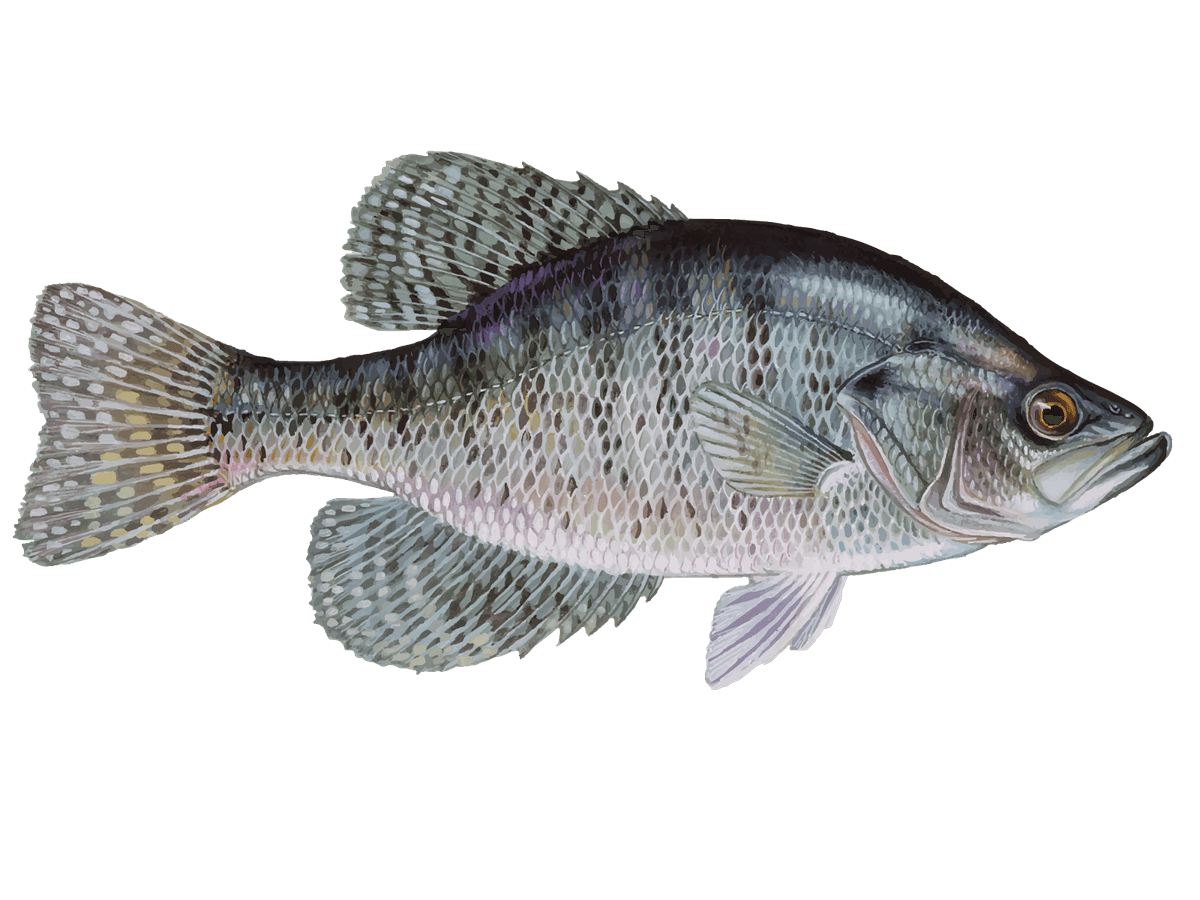
Crappie
Lake Kissimmee holds solid populations of both black and white crappie, with most fish running 8-12 inches and weighing up to a pound. These panfish love hanging around submerged timber, grass lines, and deeper holes throughout the lake. Spring brings the best action when they move shallow to spawn, but we catch them year-round by adjusting our approach. Black crappie tend to stick to clearer water while whites don't mind it a bit murky. They're fantastic table fare - sweet, flaky white meat that's hard to beat. What really makes crappie special is they school up, so once you find one, you'll likely catch several more. Here's a local trick: when fishing the timber, drop your jig straight down and work it slowly right against the wood. That's where the big slabs hide.